Web development that ships fast.
Web apps end-to-end. Frontend, backend, APIs, workers, deployment. Mostly written in TypeScript and Node so the whole thing speaks the same language. Built to ship fast and scale when it needs to.
Talk to usEverything a web app actually needs to ship.
A real web project is more than a stack of pages. It's a frontend, a backend, a deployment pipeline, and the unsexy bits that keep it running once real traffic shows up. Here's what we deliver.
A full web app
Frontend, backend, and the bits between, built and shipped together. Mostly TypeScript on both sides so types travel with you from form input to database row. Deployed to your hosting, wired up to your domain, and ready for real traffic from day one.
APIs, services, and workers
Custom APIs, background workers, and scheduled jobs built to do real work. Type-safe contracts between frontend and backend, queues for the heavy lifting, and the kind of error handling that survives a flaky third-party API.
Production deployment that scales
Hosting and infrastructure designed for the traffic the product will actually see, not the traffic the brochure says it might. Scaling rules, caching, database connection limits, and the rate-limit guardrails that stop a viral moment from becoming a billing surprise.
CI/CD pipelines
Automated tests on every push, branch previews so the team can review work in a real environment, and one-click deploys that don't require Slack incantations. Set up so the team can ship without ceremony.
Performance, SEO, and accessibility
Fast pages by default. We design for Core Web Vitals, ship sensible image and font strategies, and set up the meta and structured data so search engines have an easy time. Accessibility is treated the same way: WCAG-compliant baseline, real keyboard and screen reader support, decisions made on day one rather than as a polish pass at the end.
Ongoing maintenance and feature work
Web apps aren't ship-it-and-forget. Frameworks update, dependencies drift, new features turn up on the roadmap. Most engagements include an ongoing arrangement so the work continues at a steady pace after launch.
How we work
6 week product cycles that always launch.
Build your vision with our 6-week product cycles. A small senior team, AI-amplified end-to-end, geared up to launch your idea in six weeks.
Why 6 Weeks? It's the Goldilocks Zone - Striking the perfect balance between allowing enough time to build something meaningful, while being short enough to keep risks low!
Whether its an MVP, prototype, or feature in a existing product, our 6 week cycles make sure you have something tangible at the end of the project.
Sounds cool! Tell me more01: Discovery
Refine your ideas and plan what will be launched in 6 weeks.

02: Kick-off
We get cracking. Design, code, and AI work happen in parallel from day one.

03: Check-in
On week 3 get ready for an exciting demo of progress.

04: Build & Iterate
Continue work and integrate feedback from the check-in.

05: Pre-launch
A check-in before launch to tie up loose ends and get ready.

06: Launch
The big day is here, you idea is launched to the whole world.

What we usually build.
- 01
SaaS web apps and dashboards
Full product builds: marketing site, signup, auth, dashboard, billing, settings. Frontend, backend, and the data layer between, all built by one team so it actually hangs together.
- 02
Marketing sites that convert
Public-facing sites built around a clear story and a fast experience. Strong typography, considered motion, copy structures that earn the click, and the SEO and analytics groundwork so you can see what's working and iterate.
- 03
MVPs and prototypes
From idea to a shipped product, fast. We scope the smallest version that tells you whether the idea has legs, build it on a stack that won't need to be replaced if it does, and stay close after launch to take the next round of decisions with real data.
- 04
Internal tools
Custom apps that replace a sprawl of spreadsheets, scripts, and 'just ask Sarah'. Built with the same care as the public-facing product so the team can actually rely on them.
- 05
Custom APIs, services, and workers
Backend-led work where the API is the product, or where the workers do the heavy lifting (data ingestion, scheduled jobs, payment flows, integrations). Type-safe, well-tested, and deployed on infrastructure that won't fall over.
- +
Got something different?
Tell us about your use case. We'll come back with a straight answer about whether it's something we can help build.
A glimpse of the work.
A few artefacts pulled from real builds. Marketing sites, web apps, internal tools, and the APIs underneath.
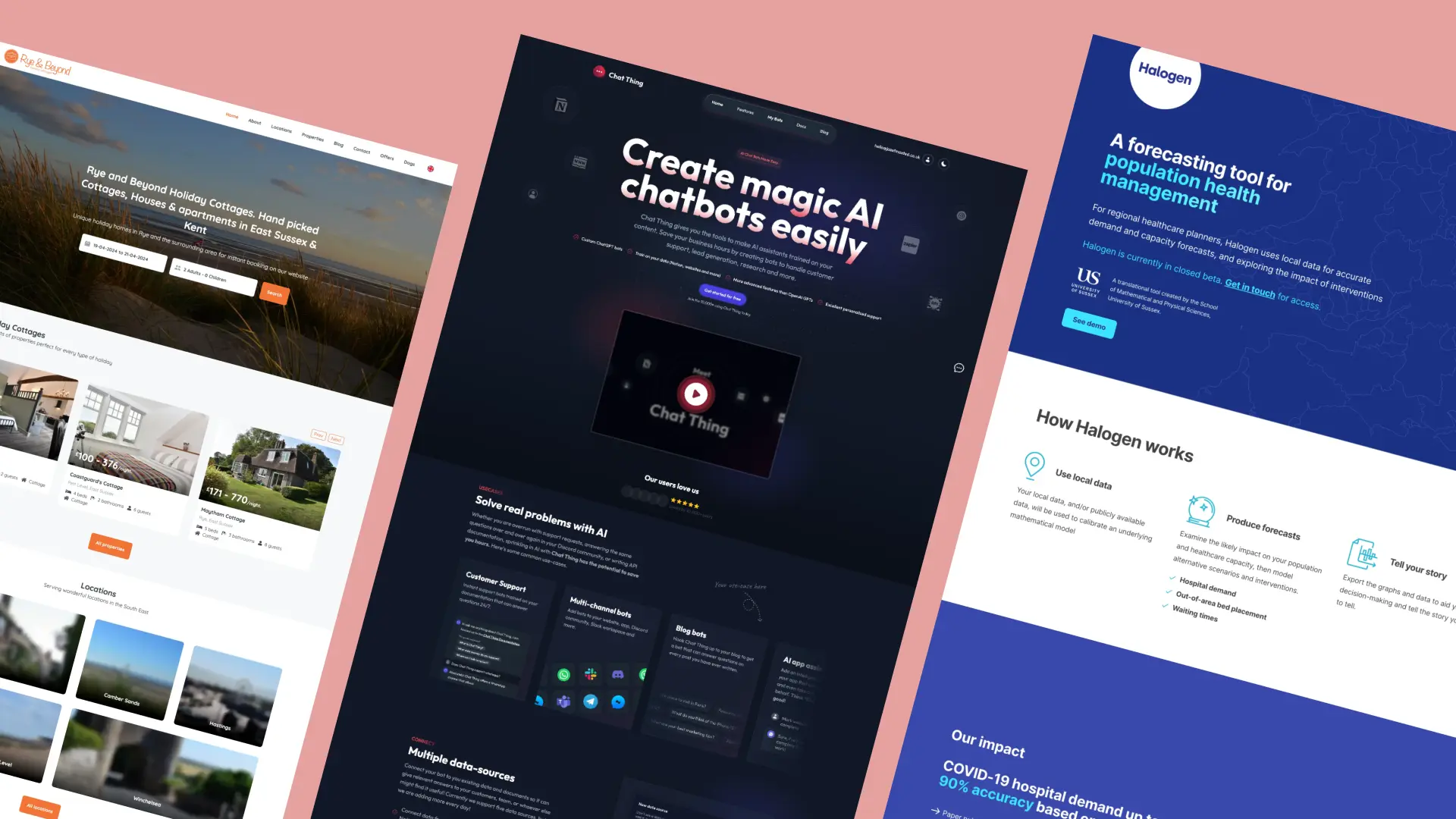
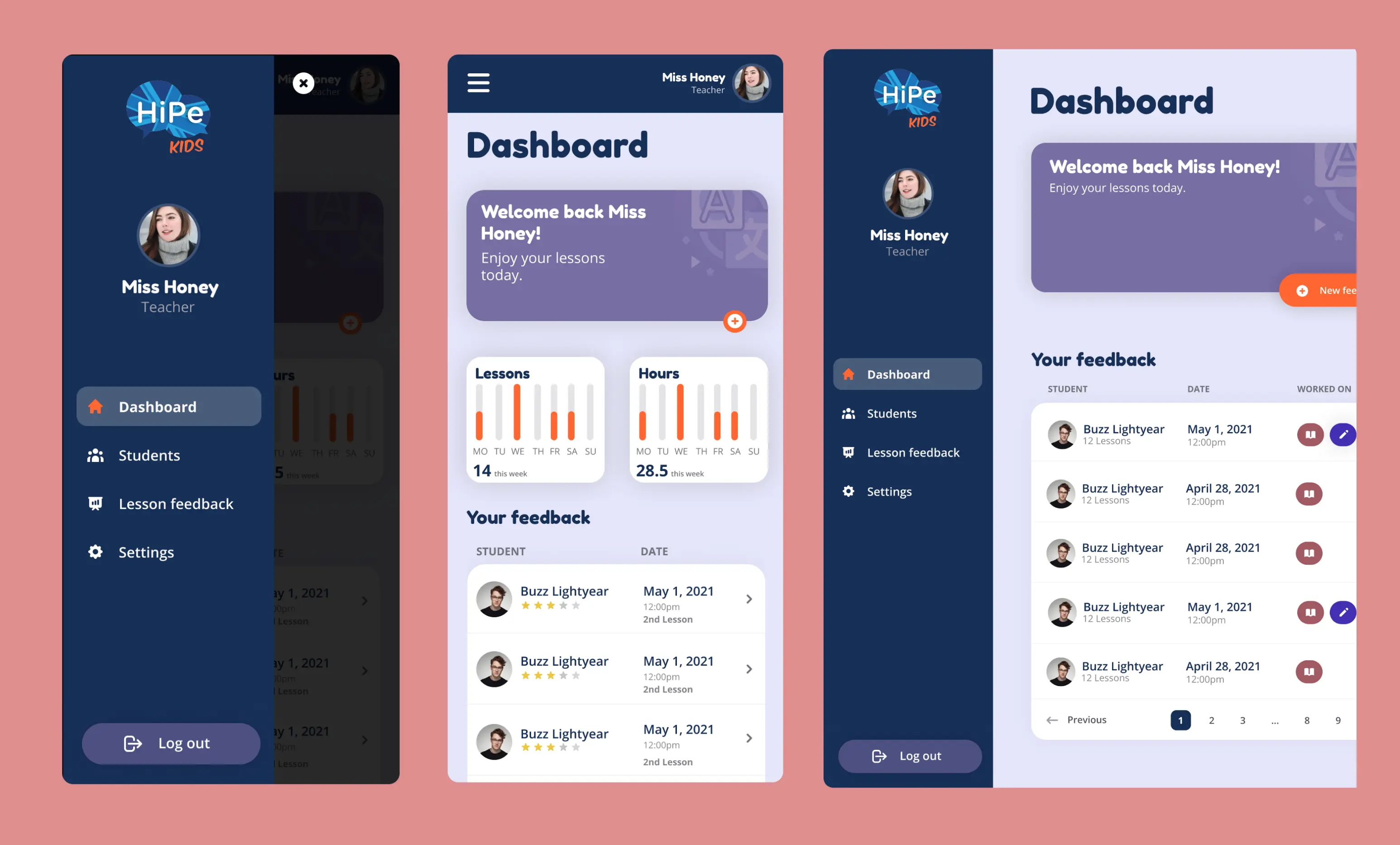
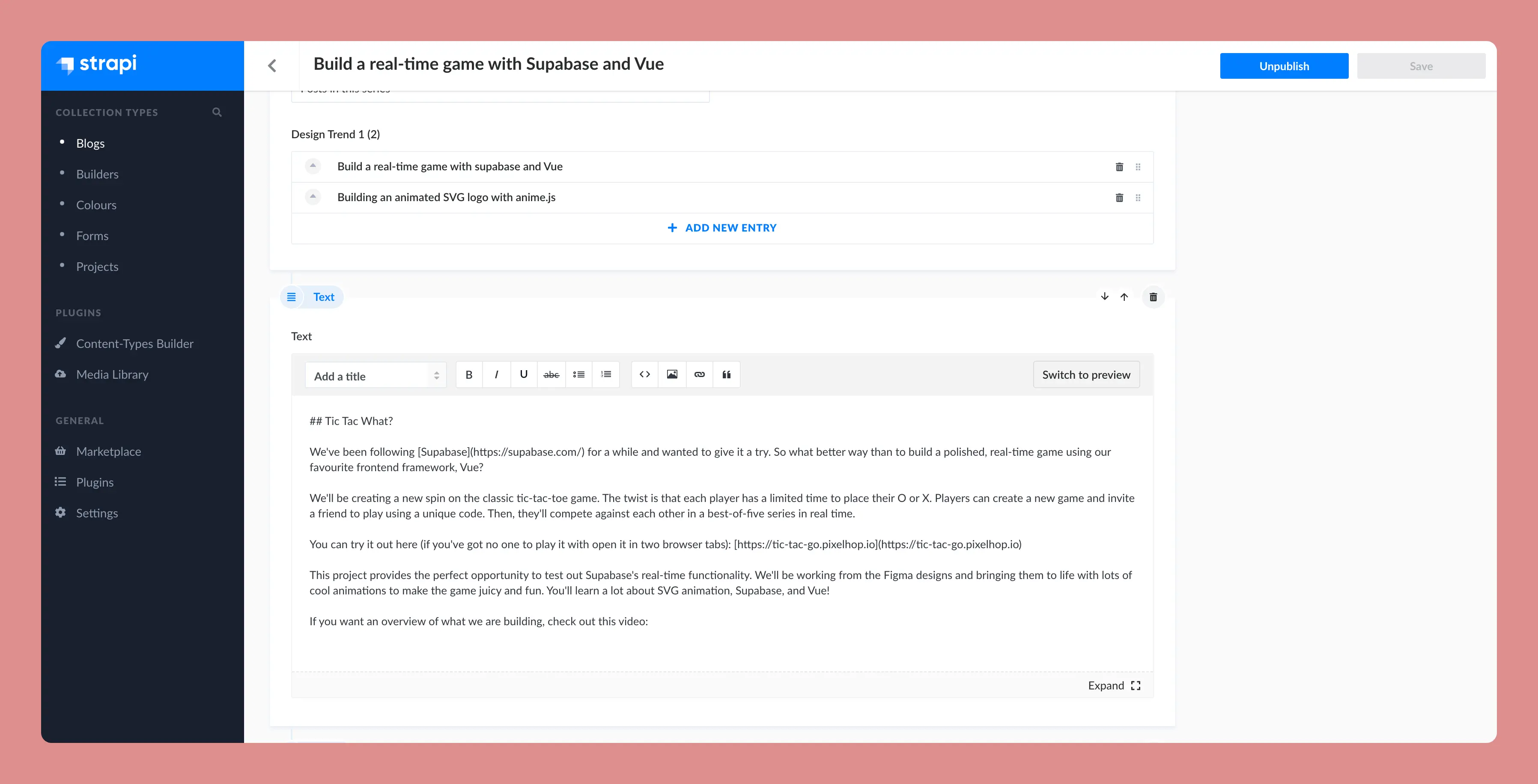

Real apps, in production.
We build and run our own products on the same stack we use for client work. Every lesson about performance, scaling, and long-term maintenance gets folded back into what we ship for you.

Chat Thing
Chat Thing is our first in house product that allows users to create magic AI chatbots

Building HeyYou a production AI security platform in 8 weeks
HeyYou had a working AI prototype. Pixelhop built the launchable product: a multi-tenant platform with deep Axis camera integration, all live in 8 weeks.
Things people ask.
What's your tech stack?
Mostly TypeScript and Node, end to end. We use the framework that fits the project (we lean on what we've shipped before), but the foundation stays the same so types and patterns travel between frontend and backend. Where a different stack genuinely fits the work better, we'll talk through the trade-offs before locking it in.
Do you handle deployment and CI/CD?
Yes. Production deployment, branch previews, automated tests on every push, and one-click deploys are part of the build. We also set up the scaling rules, caching, and rate-limit guardrails so the app holds up under real traffic.
How do design and engineering work together?
Tightly. Most of our projects run with a designer and an engineer (often the same person) collaborating from the first sketch through to the production build. Design happens in Figma when it helps, and in code when that's faster. The result is fewer hand-off gaps, fewer 'we can't actually build that' moments late in the project, and a frontend that matches the design because the same team built both.
Do you keep working on the app after launch?
Yes. Most engagements include an ongoing arrangement after launch: maintenance, framework and dependency updates, performance tuning, and new feature work as the product evolves. Pricing reflects an ongoing relationship rather than a one-shot project, so the app keeps getting better instead of slowly drifting out of date.
How long will it take?
We'll scope it honestly once we've talked through what you're trying to ship. A focused marketing site is usually a handful of weeks; a SaaS web app or MVP runs longer. We'd rather tell you a real number after a discovery conversation than promise a date that the work can't actually hit.

Got a web app to build?
Tell us what you're trying to ship. We'll come back with a straight answer.
Start a conversation